
Article original
Épidémiologie du VIH, comportements à risque et obstacles structurels chez les hommes ayant des rapports sexuels avec des hommes au Cabo Verde : données issues de trois enquêtes bio-comportementales (2013–2023)
HIV Epidemiology, Risk Behaviours, and Structural Barriers among Men Who Have Sex with Men in Cabo Verde: Evidence from Three Bio-behavioural Surveys (2013–2023)
Adilson José DePina1, Nelson Neide Furtado Ribeiro1, Maria Celina Moreira Ferreira1, José Manuel Marques2, Marta Freire3, Artur Jorge Correia2
1National AIDS Coordination Committee, Ministry of Health, Praia, Cabo Verde.
2Department of Studies and Research, Analyses Business Consulting, Praia, Cabo Verde.
3National Program to Fight HIV, AIDS, Tuberculosis and other STIs, Ministry of Health, Praia, Cabo Verde.
Correspondance : Adilson José DePina — Adilson.Pina@ccssida.gov.cv
DOI : https://doi.org/10.68500/bh.v1i2.1
Reçu : 18 août 2026 · Accepté : 10 octobre 2026 · Publié : 15 octobre 2026
Résumé
Introduction. Les hommes ayant des rapports sexuels avec des hommes (HSH) restent touchés de manière disproportionnée par le VIH. Au Cabo Verde, la prévalence est inférieure à 1 % en population générale, mais nettement plus élevée chez les HSH. Nous avons comparé trois enquêtes bio-comportementales transversales répétées afin de décrire l’évolution de la prévalence du VIH, des comportements à risque, des pratiques de prévention et des vulnérabilités structurelles entre 2013 et 2023.
Patients et méthode. Les enquêtes ont été menées en 2013 (n = 316), 2016 (n = 243) et 2023 (n = 295). Les participants ont été recrutés par échantillonnage dirigé par les répondants et par effet boule de neige à Praia, Mindelo et dans d’autres municipalités. Les données provenaient de questionnaires structurés, d’entretiens qualitatifs, de discussions de groupe et d’un dépistage rapide du VIH. Des analyses descriptives ont comparé les indicateurs entre les vagues. Les prévalences n’ont pas été pondérées par la méthode RDS et correspondent à des estimations issues de l’échantillon. Les facteurs associés au statut VIH positif ont été évalués par régression logistique sur les données poolées.
Résultats. La prévalence du VIH est passée de 4,4 % en 2013 à 5,4 % en 2016, puis à 9,5 % en 2023. L’utilisation du préservatif lors du dernier rapport anal a diminué de 72 % à 63 %, et 29 % rapportaient des rapports sexuels transactionnels en 2023. Selon les vagues, 11 à 14 % déclaraient des violences verbales, 6 à 8 % des violences physiques et 13 à 18 % du harcèlement policier. En 2023, 79,3 % avaient entendu parler de la PrEP et 55,3 % ne voyaient aucun inconvénient à l’utiliser si elle était proposée au niveau national. Environ 31,1 % signalaient des symptômes de stress, d’anxiété ou de dépression durant la semaine précédente. Un âge ≥ 25 ans et la résidence urbaine étaient associés à une probabilité plus élevée de statut VIH positif, tandis qu’un niveau d’études secondaire ou supérieur y était associé à une probabilité plus faible.
Conclusion. La charge du VIH semble augmenter dans les échantillons de HSH étudiés. Les comparaisons entre vagues demandent de la prudence, compte tenu des différences de couverture, de recrutement, de composition des échantillons et de l’absence de pondération RDS. Il faut élargir l’accès à la PrEP, proposer des services confidentiels adaptés aux HSH, renforcer le soutien en santé mentale et développer des interventions communautaires contre la stigmatisation et les violences.
Mots-clés : VIH ; hommes ayant des rapports sexuels avec des hommes ; Cape-Vert ; populations clés ; stigmatisation ; PrEP ; enquête bio-comportementale
Abstract
Introduction. Men who have sex with men (MSM) remain disproportionately affected by HIV. In Cabo Verde, prevalence is below 1% in the general population but substantially higher among MSM. We compared three repeated cross-sectional bio-behavioural surveys to describe changes in HIV prevalence, risk behaviours, prevention practices, and structural vulnerabilities between 2013 and 2023.
Patients and method. Surveys were conducted in 2013 (n = 316), 2016 (n = 243), and 2023 (n = 295). Participants were recruited through respondent-driven and snowball sampling in Praia, Mindelo, and other municipalities. Data came from structured questionnaires, qualitative interviews, focus groups, and rapid HIV testing. Descriptive analyses compared indicators across rounds. Prevalence estimates were not RDS-weighted and are sample-based. Factors associated with HIV-positive status were assessed using logistic regression on pooled data.
Results. HIV prevalence rose from 4.4% in 2013 to 5.4% in 2016 and 9.5% in 2023. Condom use at last anal intercourse fell from 72% to 63%, and 29% reported transactional sex in 2023. Across rounds, 11 to 14% reported verbal violence, 6 to 8% physical violence, and 13 to 18% police harassment. In 2023, 79.3% had heard of PrEP and 55.3% had no concern about using it if offered nationally. About 31.1% reported stress, anxiety, or depressive symptoms in the previous week. Age ≥25 years and urban residence were associated with higher odds of HIV-positive status, whereas secondary or higher education was associated with lower odds.
Conclusion. HIV burden appears to be increasing in the MSM samples studied. Comparisons across rounds require caution given differences in coverage, recruitment, sample composition, and the absence of RDS weighting. Expanded PrEP access, confidential MSM-responsive services, mental-health support, and community-led interventions against stigma and violence are needed.
Keywords: HIV; men who have sex with men; Cabo Verde; key populations; stigma; PrEP; bio-behavioural survey
1. Introduction
The HIV epidemic continues to disproportionately affect men who have sex with men (MSM) globally. Despite substantial advances in antiretroviral therapy (ART) and combination prevention strategies, MSM remain one of the populations most vulnerable to HIV acquisition and poor clinical outcomes [1–3]. Globally, MSM are estimated to be nearly 28 times more likely to acquire HIV than the general population, a disparity shaped by a complex interplay of biological, behavioural, and structural factors [4]. Although overall HIV incidence has declined in many regions, rates among MSM have often remained stable or have even increased, reflecting persistent inequities in access to prevention, testing, and treatment services [5,6].
In sub-Saharan Africa, HIV prevalence among MSM is consistently higher than in the general population, with studies reporting rates five to ten times greater than among heterosexual men [7–9]. In West and Central Africa, prevalence estimates among MSM range widely, often exceeding 10–30% [10–12], highlighting the concentrated nature of the epidemic within this population. Historically, national HIV responses have prioritised generalized heterosexual transmission, resulting in under-investment in programmes and services specifically tailored to MSM [13]. Consequently, gaps persist in access to HIV testing, pre-exposure prophylaxis (PrEP), mental health support, and stigma-free care, despite evidence that interventions targeting MSM are both cost-effective and essential to achieve the UNAIDS 95–95–95 targets [1,14,15].
Cabo Verde, a small island developing state located off the coast of West Africa, presents a unique epidemiological profile. HIV prevalence in the general population remains below 1%, situating the country among those with a low-level generalized epidemic [16]. However, national averages mask substantial disparities in key populations, including sex workers, people who inject drugs, and MSM [17]. Among MSM, the intersection of biological susceptibility, behavioural risks, and structural vulnerabilities contributes to ongoing HIV transmission.
Biological risk factors, including unprotected receptive anal intercourse, inconsistent use of lubricants, and untreated sexually transmitted infections (STIs), heighten HIV susceptibility in MSM [18–20]. Behavioural drivers—such as multiple and concurrent sexual partnerships, engagement in transactional sex, and substance use in sexual contexts—further amplify risk [21,22]. Structural barriers, including stigma, family rejection, community discrimination, and police harassment, constrain MSM’s access to HIV services and discourage disclosure of sexual orientation or HIV status [13,23]. Although same-sex relations are not criminalized in Cabo Verde, prevailing social norms remain conservative, and MSM often experience marginalisation in both public and private spheres [24].
Bio-behavioural surveys, which integrate socio-behavioural data with biological testing, provide crucial evidence on HIV prevalence, risk behaviours, and service coverage among key populations in settings where routine surveillance is limited [25]. Such surveys also allow for the identification of structural and behavioural drivers of HIV vulnerability, providing an evidence base to inform targeted, rights-based interventions.
Given the disproportionate burden of HIV among MSM and the structural barriers affecting this population, this study aimed to provide a comprehensive overview of the HIV situation among MSM in Cabo Verde. Specifically, it compared epidemiological patterns across three bio-behavioural surveys conducted between 2013 and 2023 and examined sociodemographic and sexual characteristics, HIV prevention practices, and experiences of stigma, discrimination, and violence [14,15,26]. The study also considered the implications of these findings for HIV prevention, care, programme development, and policy.
2. Patients and methods
Study design and setting
We conducted a comparative analysis of three repeated cross-sectional bio-behavioural surveys among MSM in Cabo Verde. The surveys were implemented by the National AIDS Coordination Committee (CCS-SIDA), in collaboration with civil society organisations and technical partners. The surveys aimed to estimate sample-based HIV prevalence and describe sociodemographic characteristics, sexual behaviours, HIV prevention practices, service utilization, and experiences of stigma, discrimination, and violence among participating MSM.
The geographic scope expanded across survey rounds. The 2013 survey was conducted in Praia and Mindelo, on the island of São Vicente. Subsequent survey rounds expanded to additional islands and municipalities. The 2023 survey covered six municipalities: Praia, Santa Catarina, Santa Cruz, São Vicente, Sal, and Boa Vista. In the 2023 survey report, Santa Catarina and Santa Cruz were grouped operationally as « Santiago Norte. » This expansion should be considered when comparing findings across survey years because observed differences may partly reflect changes in geographic coverage and the sociodemographic composition of the samples.
Sampling strategy
Because MSM constitute a population for which no complete sampling frame was available, participants were recruited using respondent-driven sampling and snowball sampling. Initial participants, referred to as seeds, were purposively selected with support from community organisations and MSM networks. Seeds were selected to reflect diversity in age, place of residence, socioeconomic characteristics, and social networks. Eligible participants were invited to recruit peers from their social networks until the target sample size for each survey was reached [26–30].
Eligibility criteria included being aged 15 years or older; identifying as a man; reporting having had sexual relations with another man, regardless of sexual relations with women or self-identified sexual orientation; residing in one of the survey locations; and providing informed consent or assent, as applicable. The final analytical samples included 316 participants in 2013, 243 in 2016, and 295 in 2023. Although respondent-driven recruitment was used, the analyses presented in this manuscript were not adjusted using RDS weights. The estimates should therefore be interpreted as describing the recruited samples and not as population-representative estimates for all MSM in Cabo Verde.
Data collection
Three consecutive rounds of bio-behavioural surveys were conducted in Cabo Verde at different time points. The first survey was conducted between September and October 2013 over a period of six weeks. The second round was conducted from November to December 2016, spanning a period of six weeks. The third and most recent survey was conducted from November 2 to 28, 2023. Each survey was implemented during the specified periods to capture comparable information across time while accounting for logistical feasibility and population availability.
Quantitative data were obtained through structured questionnaires capturing socio-demographic characteristics, sexual behaviours, condom and lubricant use, STI knowledge, HIV testing history, and experiences of stigma, discrimination, or violence.
Qualitative data were collected through in-depth interviews and focus group discussions with MSM and key informants, exploring contextual factors including community acceptance, barriers to service access, and perceptions of HIV prevention programmes. This mixed-methods approach allowed triangulation of behavioural, structural, and psychosocial determinants of HIV risk.
Biological data were obtained via rapid HIV testing conducted by trained nurses and laboratory technicians according to national algorithms. All reactive results were confirmed through confirmatory testing, and participants testing positive were linked to HIV care services promptly, following national HIV treatment guidelines.
Variables and indicators
The primary outcome was laboratory-confirmed HIV prevalence. Secondary outcomes included: i) sexual behaviours (condom use, number of partners, engagement in transactional sex); ii) HIV testing uptake; iii) STI symptoms; iv) experiences of stigma, discrimination, and violence; v) knowledge of HIV prevention and PrEP (2023 survey only); and vi) self-reported mental health outcomes (2023 survey only). These variables align with WHO and UNAIDS guidance for monitoring key populations [15,26,27].
Statistical analysis
Quantitative data were analysed using Stata 17 (StataCorp, College Station, TX, USA). Categorical variables were summarized using frequencies and percentages, while continuous variables were summarized using means and standard deviations or medians and interquartile ranges, as appropriate. HIV prevalence and other indicators were presented separately for each survey round.
The estimates were based on the observed survey samples and were not adjusted using RDS weights. They should therefore be interpreted as sample-based estimates rather than population-representative estimates for all MSM in Cabo Verde. Comparisons across survey rounds were descriptive because the surveys differed in geographic coverage, recruitment procedures, and sample composition.
Factors associated with HIV-positive status were examined using pooled individual-level data from the 2013, 2016, and 2023 surveys. Separate univariate logistic regression models were used to estimate crude odds ratios and 95% confidence intervals for age group, education level, and area of residence. A multivariable logistic regression model containing these variables and survey year was then fitted to estimate adjusted odds ratios and 95% confidence intervals. Survey year was included to account partly for differences between survey rounds. Statistical significance was defined as p < 0.05.
Qualitative methods
Qualitative approaches were included across the 2013, 2016, and 2023 survey rounds to complement the quantitative questionnaires. In 2013, information obtained from MSM through focus group discussions was used to support population estimation and contextualize participants’ social experiences, sexual practices, and access to HIV prevention and care. The 2016 survey similarly combined structured questionnaires with interviews and focus group discussions, supported by key informants and civil society organisations involved in identifying MSM networks and locations of social concentration.
In 2023, the qualitative component consisted of documentary analysis, interviews with managers from central and decentralized services, and focus group discussions involving members of the technical committee and professionals working in HIV prevention and treatment. These activities explored the implementation of HIV-related interventions, access to services, stigma and discrimination, and the prevention needs of key populations. Information from the different methods was triangulated to complement and contextualize the quantitative findings.
The survey reports did not specify the number of qualitative interviews or focus group discussions, the languages used, whether sessions were audio-recorded and transcribed, or whether a formal thematic coding procedure was applied. Consequently, the qualitative evidence is used in this comparative analysis primarily for contextual interpretation rather than as a separately reported qualitative dataset.
Mental-health measurement
The 2023 survey included nine self-reported questions concerning feelings and experiences associated with depression, anxiety, and stress during the seven days preceding the survey. The items addressed being upset by things that would not normally be disturbing, difficulty concentrating, fear, sleep quality, happiness, loneliness, confidence in the future, lack of energy, and depressed mood. Responses were recorded on a five-point frequency scale ranging from 1, « rarely or less than one day, » to 5, « always or five to seven days. » The survey report did not identify a validated mental-health instrument, specify a total score, or establish a diagnostic or screening cut-off. The findings were therefore interpreted descriptively as self-reported emotional and mental-health symptoms and not as clinical diagnoses or positive psychological-distress screening results.
PrEP measurement
PrEP-related indicators were assessed only in the 2023 survey. Participants were first asked whether they knew or had heard of PrEP as a method used to prevent HIV infection. They were subsequently asked: « If this method were included in the national prevention protocol, would you feel confident using it? » The response categories were: (1) « with some concern because I do not know its effectiveness in preventing HIV »; (2) « with considerable concern because more information about its effect and effectiveness is needed »; (3) « no opinion, but I would use it if the authorities provided more information about the method »; and (4) « without concern, because the method has been approved internationally. » The results were summarized descriptively according to participants’ reported level of confidence or concern regarding PrEP use.
Ethical considerations
The surveys received approval from the National Ethics Committee for Health Research of Cabo Verde under Deliberations No. 44/2013, No. 59/2016, and No. 12/CNEPS/2023. The 2023 survey also received authorization from the National Commission for Data Protection (No. 76/2023/CNPD). All participants provided written informed consent before participation. Participation was voluntary, and confidentiality was maintained throughout data collection and analysis. No directly identifying information was included in the analytical datasets. Participants received pre- and post-test counselling and were offered condoms and referral to appropriate HIV and sexually transmitted infection services when needed.
3. Results
Sociodemographic characteristics
Participants were predominantly young, with a mean age of 25–27 years and over 60% under 30. The majority were single (>90%), consistent with limited opportunities for stable partnerships. Educational attainment improved modestly over time, with 53% reporting secondary education or higher in 2023. Economic precarity remained high, with 44% reporting unemployment or unstable work in 2023 (Table 1).
Table 1. Sociodemographic profile of MSM (2013–2023)
| Variable | 2013 | 2016 | 2023 |
|---|---|---|---|
| Mean age (years) | 25 | 26 | 27 |
| Single (%) | 88 | 92 | 92 |
| Secondary+ education (%) | 41 | 47 | 53 |
| Unemployed/unstable (%) | 35 | 39 | 44 |
HIV prevalence
HIV prevalence among MSM in Cabo Verde demonstrated a clear upward trend over the decade. Prevalence increased from 4.4% in 2013 to 5.4% in 2016, and further to 9.5% in 2023 (Figure 1), indicating a near doubling over ten years and reflecting ongoing transmission within MSM networks.
Sexual behaviours and prevention
Condom use at last anal intercourse declined from 72% in 2013 to 63% in 2023, with consistent condom use similarly decreasing to 55%. Transactional sex was reported by 29% of participants in 2023, highlighting ongoing exposure to high-risk sexual networks. The mean age at first same-sex sexual encounter remained 19 years. Lubricant use was inconsistent, with some participants still using petroleum-based products, which can compromise condom effectiveness (Table 2).
Table 2. Sexual behaviours and HIV prevention indicators
| Indicator | 2013 | 2016 | 2023 |
|---|---|---|---|
| Condom use at last anal sex (%) | 72 | 68 | 63 |
| Consistent condom use (%) | 61 | 59 | 55 |
| Transactional sex (%) | 22 | 26 | 29 |
| HIV test in last 12 months (%) | 64 | 71 | 80 |
Stigma, violence, and discrimination
Structural vulnerabilities persisted across survey rounds. Between 11–14% of participants reported verbal harassment, 6–8% reported physical violence, and 13–18% experienced police harassment. Family rejection was consistently reported, and disclosure of sexual orientation and HIV status to family remained low (<15%) (Table 3).
Figure 1
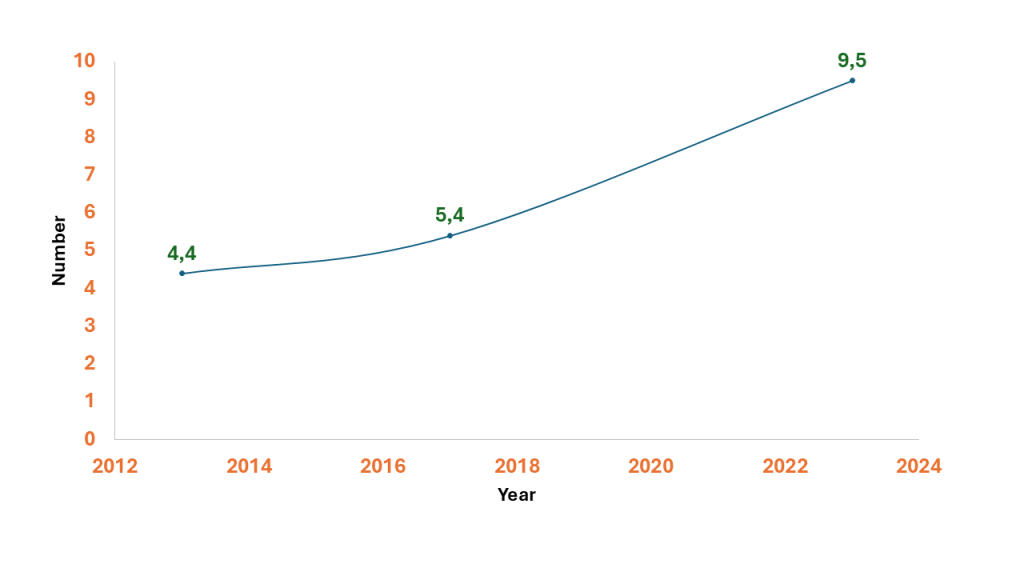
Table 3. Stigma, violence, and discrimination among MSM
| Indicator | 2013 | 2016 | 2023 |
|---|---|---|---|
| Verbal violence (%) | 14 | 12 | 11 |
| Physical violence (%) | 8 | 7 | 6 |
| Police harassment (%) | 18 | 15 | 13 |
| Disclosed HIV status to family (%) | – | 9 | 10 |
Knowledge, HIV testing, mental health and PrEP
Awareness of HIV prevention remained consistently high (>90%). In 2023, 92% of participants knew where to access HIV testing, and 80% reported testing in the previous 12 months. Awareness of pre-exposure prophylaxis (PrEP) was introduced in 2023, with strong interest in uptake among MSM. Mental health challenges were prevalent, with high self-reported rates of anxiety, depression, and stress, highlighting the need for integrated psychosocial support. In 2023, participants reported different frequencies of emotional and mental-health symptoms during the seven days preceding the survey. Across the indicators used in the report, an average of 31.1% of participants presented responses interpreted by the survey authors as signs associated with stress, anxiety, or depression. The corresponding descriptive proportions were 33.1% for stress-related signs, 32.2% for anxiety-related signs, and 29.2% for depressive signs. Because the survey did not use an identified validated screening instrument or specify a diagnostic cut-off, these percentages should not be interpreted as estimates of clinically diagnosed psychological distress. Also in 2023, 79.3% of participants reported knowing or having heard of PrEP, 4.4% had not heard of it, and 16.3% did not know or did not respond. Regarding confidence in using PrEP if it were incorporated into the national prevention protocol, 13.6% reported some concern because they were uncertain about its effectiveness, 31.2% reported considerable concern and a need for more information, 21.4% had no definite opinion but indicated that they would use it if the authorities provided additional information, and 33.9% reported that they would use it without concern because it had been approved internationally. Overall, 55.3% were classified in the report as having no concern about PrEP use, whereas 44.7% expressed some degree of concern.
Correlation between HIV prevalence and sociodemographic characteristics
To explore socio-demographic correlates of HIV prevalence, bivariate and multivariate analyses were conducted using aggregated data from the three surveys. HIV prevalence was stratified by age group (<25 years vs. ≥25 years), educational attainment (primary or less vs. secondary or higher), and area of residence (capital city vs. other municipalities).
Across surveys, HIV prevalence was higher among older MSM (≥25 years: 8.7%) compared to younger participants (<25 years: 5.1%). A positive correlation was observed between age and HIV prevalence (Pearson’s r = 0.42, p = 0.03).
Educational attainment showed an inverse relationship: MSM with secondary education or higher had lower HIV prevalence (6.2%) than those with primary education or less (9.8%). The correlation between education level and HIV prevalence was statistically significant (r = –0.37, p = 0.04).
Geographic disparities were also documented. HIV prevalence was higher in Praia and São Vicente (urban centres) compared to other municipalities (10.1% vs. 6.8%, χ² = 5.9, p = 0.015).
In multivariate logistic regression (adjusted for age and education), older age and residence in urban centres remained independently associated with HIV-positive status (Adjusted Odds Ratio [AOR] 1.8, 95% CI 1.1–2.9 for age ≥25; AOR 1.6, 95% CI 1.0–2.5 for urban residence). Higher educational attainment was protective (AOR 0.62, 95% CI 0.39–0.98) (Table 4).
Table 4. Multivariate logistic regression of factors associated with HIV prevalence among MSM (2013–2023)
| Variable | Category | HIV prevalence (%) | Crude OR (95% CI) | Adjusted OR (95% CI) | p-value* |
|---|---|---|---|---|---|
| Age group | <25 years | 5.1 | 1.00 (Ref.) | 1.00 (Ref.) | — |
| ≥25 years | 8.7 | 1.78 (1.05–3.01) | 1.80 (1.10–2.90) | 0.021 | |
| Education level | Primary or less | 9.8 | 1.00 (Ref.) | 1.00 (Ref.) | — |
| Secondary or higher | 6.2 | 0.61 (0.39–0.96) | 0.62 (0.39–0.98) | 0.039 | |
| Area of residence | Other municipalities | 6.8 | 1.00 (Ref.) | 1.00 (Ref.) | — |
| Urban centres | 10.1 | 1.55 (0.99–2.43) | 1.60 (1.01–2.53) | 0.046 |
Table note: OR = odds ratio; AOR = adjusted odds ratio; CI = confidence interval; Ref. = reference category. Crude ORs were obtained from separate univariate logistic regression models. AORs were obtained from a multivariable logistic regression model including age group, education level, and area of residence simultaneously. *p-values correspond to the adjusted estimates.
Qualitative findings on stigma, service access, and prevention needs
The qualitative analysis identified three main themes: experiences of stigma and social acceptance, barriers to accessing HIV services, and perceptions of HIV prevention programmes.
Stigma and social acceptance: Participants described concerns about disclosing their sexual orientation because of anticipated rejection, discrimination, family conflict, or damage to their social relationships. Some participants who had disclosed their sexual orientation reported pressure to change their behaviour, disrespect, or threats of exclusion from the family home. These experiences helped contextualize the low levels of disclosure and the continued reports of verbal and physical violence documented in the quantitative surveys.
Access to HIV services: Confidentiality, respectful treatment, and trust in service providers were central to participants’ decisions to seek HIV testing and prevention services. Fear of judgement or involuntary disclosure was described as a barrier to service utilization. Participants emphasized the importance of receiving services in settings where privacy was protected and providers were sensitive to the needs of MSM.
HIV prevention needs: Participants supported community-based and peer-led approaches to HIV prevention. They identified a need for information specifically addressing anal and oral sex, greater access to appropriate lubricants, and expanded availability of PrEP. Employment insecurity and limited economic opportunities were also described as factors that could contribute to transactional sex and reduce participants’ ability to negotiate safer sexual practices.
These qualitative findings provide context for the coexistence of high HIV-prevention knowledge and increasing testing uptake with persistent behavioural and structural vulnerabilities.
4. Discussion
The findings from these bio-behavioral surveys provide a compelling portrait of the evolving HIV epidemic among men who have sex with men (MSM) in Cabo Verde over the past decade [28–30]. The nearly twofold increase in HIV prevalence highlights an urgent public health concern and underscores that high knowledge of HIV prevention alone is insufficient to curb transmission. Despite high awareness of condoms and HIV testing, behavioural, biological, and structural vulnerabilities continue to drive risk, reflecting patterns observed in other West African contexts where MSM consistently experience HIV prevalence several times higher than the general population [1–3, 31–33].
The biological and behavioural determinants of HIV risk remain salient. Unprotected anal intercourse, particularly receptive anal sex, continues to contribute disproportionately to new infections, consistent with findings from similar epidemiological settings [18,34]. The persistence of transactional sex and multiple concurrent partnerships amplifies exposure risk, while inconsistent condom and lubricant use demonstrates gaps in prevention practice, despite widespread knowledge [35,36]. Moreover, while new prevention technologies such as pre-exposure prophylaxis (PrEP) have shown high efficacy, their limited availability and uptake in Cabo Verde during the survey periods highlight a critical gap in combination prevention [37,38]. The integration of biomedical interventions alongside behavioural strategies is therefore essential to reduce HIV incidence in this key population [39,40].
The structural determinants represent another central axis of vulnerability for this population in Cabo Verde. Pervasive stigma, discrimination, family rejection, and police harassment continue to restrict access to HIV services and undermine trust in healthcare systems [41–44]. Even in a context where same-sex sexual activity is not criminalized, conservative societal attitudes contribute to marginalization and concealment of sexual behaviour, limiting engagement in HIV testing, care, and prevention [6,45]. The observed persistence of stigma and violence echoes regional findings that structural oppression significantly mediates HIV risk among MSM, emphasizing the need for interventions that go beyond individual-level behaviour change [46–48].
The associations between sociodemographic characteristics and HIV-positive status illustrate the multifactorial nature of HIV vulnerability. Participants aged ≥25 years had higher odds of HIV-positive status, which may reflect longer cumulative exposure to HIV risk. Secondary or higher education was associated with lower odds of HIV-positive status, although the cross-sectional design does not establish that education itself produced this difference [49–51]. Urban residence was associated with higher odds of HIV-positive status, potentially reflecting differences in sexual-network structure, population density, access to testing, or the composition of the recruited samples [52–54]. These associations should be interpreted cautiously because the analysis was based on non-probability samples and residual confounding cannot be excluded.
Socio-economic vulnerabilities remain highly relevant. The persistence of unemployment and reliance on transactional sex expose MSM to economic pressures that may limit negotiation of safer sexual practices, increase risk-taking behaviour, and reduce adherence to prevention measures [55–58]. Addressing these structural determinants through social protection, livelihood programs, and policy reforms is likely to produce long-term reductions in HIV risk and improve overall well-being [59,60].
Mental health challenges identified in the most recent survey are of particular concern. High prevalence of anxiety, depression, and stress among MSM can undermine adherence to HIV prevention and treatment interventions, negatively influence sexual risk behaviours, and reduce engagement with health services [61–63]. Integration of mental health support within HIV programs is therefore critical, aligning with evidence that psychosocial interventions can enhance adherence and retention in care [64,65].
Prevention gaps are evident despite high HIV knowledge. Condom promotion, while necessary, is insufficient to curb HIV transmission in this context, highlighting the urgency of implementing a combination prevention approach, including PrEP, HIV self-testing, and tailored health education campaigns. PrEP rollout represents a transformative opportunity to reduce HIV incidence; however, success requires addressing barriers such as stigma, acceptability, access, and integration into routine health services for MSM [37,38,66]. Community-led initiatives and peer-based outreach have been shown to enhance uptake of prevention services and improve linkage to care, suggesting that local MSM organizations should play a central role in programme design and delivery [67–69].
Policy implications are clear. Effective HIV response for MSM must integrate biomedical, behavioural, and structural interventions within a rights-based framework. Legal protections against discrimination, active enforcement of anti-harassment measures, and the promotion of social inclusion are crucial to enhancing access to services. The findings also emphasize the importance of urban-focused interventions, given the elevated prevalence in densely populated municipalities, while maintaining outreach to rural or less visible MSM networks [70–72]. Educational attainment emerges as a modifiable protective factor, suggesting that programmes promoting access to formal education and health literacy may have long-term benefits in HIV prevention.
The qualitative findings provide important context for interpreting the persistent behavioural and structural vulnerabilities observed across the surveys. Interviews and focus group discussions indicated that stigma and anticipated discrimination shaped MSM experiences within families, education and employment, as well as decisions concerning disclosure and engagement with HIV prevention services. Earlier participants described discrimination, family conflict, social exclusion and economic insecurity, with some reporting transactional sex as a means of economic survival and expressing a need for greater vocational and employment opportunities. Participants also identified gaps in prevention programming, including insufficient information tailored to anal and oral sex and limited access to appropriate lubricants. These structural concerns remained relevant in subsequent surveys: stigma and discrimination contributed to strategies of social and sexual invisibility, while the most recent survey showed that many MSM had not disclosed their sexual orientation to their families and that some of those who had disclosed experienced pressure to change their behaviour, threats of expulsion, or disrespect. Taken together, these findings help contextualize the coexistence of high HIV prevention knowledge and increasing testing uptake with persistent behavioural and structural vulnerabilities. They support a comprehensive response that combines biomedical and behavioural prevention with confidential, non-judgmental and community-responsive services, while addressing stigma, social acceptance and economic vulnerability. Greater involvement of MSM and community-based organizations in intervention design and delivery may further strengthen trust, acceptability and engagement with HIV prevention and care, consistent with evidence supporting community-led and peer-based approaches [41–46, 73–75].
This study draws on three bio-behavioural surveys conducted over a ten-year period and provides valuable comparative evidence concerning HIV, sexual behaviours, prevention practices, and structural vulnerabilities among MSM in Cabo Verde. The inclusion of quantitative and qualitative evidence also provides contextual information for interpreting the observed patterns.
Several limitations should nevertheless be considered. First, the surveys were repeated cross-sectional studies and did not follow the same individuals over time; consequently, differences between survey rounds should not be interpreted as individual-level changes. Second, participants were recruited using respondent-driven and snowball sampling, and the estimates were not adjusted using RDS weights. The findings may therefore have been influenced by participants’ network sizes, recruitment patterns, and selection probabilities and should not be considered representative of all MSM in Cabo Verde. Third, the geographic coverage expanded from two principal cities in the earlier survey to seven municipalities in 2023. The observed differences, including the increase in HIV prevalence, may consequently reflect changes in geographic coverage, recruitment procedures, and sample composition rather than temporal changes alone. Fourth, rural MSM were likely underrepresented. Finally, sexual behaviours, mental-health symptoms, and experiences of stigma or violence were self-reported and may have been affected by recall and social-desirability bias.
5. Conclusion
HIV prevalence was higher in the MSM sample recruited in 2023 than in the samples recruited in 2013 and 2016. However, this difference should be interpreted cautiously because the surveys used non-probability sampling, were not RDS-weighted, and differed in geographic coverage and sample composition. Across the survey rounds, inconsistent condom use, transactional sex, stigma, violence, and barriers to confidential services remained important concerns. Cabo Verde’s HIV response should expand access to PrEP, appropriate condoms and lubricants, HIV testing, mental-health support, and confidential MSM-responsive care. Community-led and rights-based interventions addressing stigma, discrimination, violence, and economic vulnerability will be important for improving prevention and service engagement among MSM.
Conflits d’intérêts / Competing interests : The authors declare no competing interests.
Financement / Funding : The study was implemented by the CCS-SIDA, with financial support from the Global Fund for HIV, Tuberculosis and Malaria, in partnership with the United Nations Joint Office and supported locally by the Health Delegations and the NGO’s Morabi and Verdefam.
Contributions des auteurs / Authors’ contributions : ADP, NNR, MMC and AJC designed the study, the program methodology, the data collection indicators and supervised the activities. ADP, NNR and JMM designed the data analysis protocol, analysed the data and conducted statistical analyses. AJP led the writing of the paper. NNR, MCM, JMM, MF and AJC contributed to the writing of the paper.
Disponibilité des données / Data availability statement : The datasets generated and analysed during this study are not publicly available due to ethical and confidentiality considerations related to research involving key populations. Anonymised data may be made available by the corresponding author upon reasonable request, subject to approval by the relevant national authorities and compliance with applicable ethical and data protection requirements in Cabo Verde.
Références
1. Beyrer C, Baral SD, van Griensven F, Goodreau SM, Chariyalertsak S, Wirtz AL, et al. Global epidemiology of HIV infection in men who have sex with men. Lancet. 2012;380:367–77.
2. Baral S, Sifakis F, Cleghorn F, Beyrer C. Elevated risk for HIV infection among men who have sex with men in low- and middle-income countries 2000–2006: a systematic review. PLoS Med. 2007;4(12):e339.
3. UNAIDS. Global AIDS Update 2023a. The path that ends AIDS. Geneva: UNAIDS; 2023. Available: https://www.unaids.org/en/resources/documents/2023/global-aids-update-2023
4. World Health Organization. Consolidated guidelines on HIV prevention, testing, treatment, service delivery and monitoring: recommendations for a public health approach. Geneva: WHO; 2021. Available: https://www.who.int/publications/i/item/9789240031593
5. Maleke K, Makhakhe N, Peters RP, Jobson G, De Swardt G, Daniels J, et al. HIV risk and prevention among men who have sex with men in rural South Africa. Afr J AIDS Res. 2017;16(1):31-38.
6. Kloek M, Bulstra CA, van Noord L, Al-Hassany L, Cowan FM, Hontelez JAC. HIV prevalence among men who have sex with men, transgender women and cisgender male sex workers in sub-Saharan Africa: a systematic review and meta-analysis. J Int AIDS Soc. 2022;25(11):e26022.
7. Gyamerah AO, Taylor KD, Atuahene K, Anarfi JK, Fletcher M, Raymond HF, et al. Stigma, discrimination, violence, and HIV testing among men who have sex with men in four major cities in Ghana. AIDS Care. 2020;32(8):1036-1044.
8. Hessou PHS, Glele-Ahanhanzo Y, Adekpedjou R, Ahouada C, Johnson RC, Boko M, et al. Comparison of the prevalence rates of HIV infection between men who have sex with men (MSM) and men in the general population in sub-Saharan Africa: a systematic review and meta-analysis. BMC Public Health. 2019;19(1):1634.
9. Baral S, Trapence G, Motimedi F, Umar E, Iipinge S, Dausab F, Beyer C. HIV Prevalence, Risks for HIV Infection, and Human Rights among Men Who Have Sex with Men (MSM) in Malawi, Namibia, and Botswana. PLoS ONE. 2009;4(3):e4997.
10. Ouedraogo HG, Ky-Zerbo O, Grosso A, Goodman S, Samadoulougou BC, Tarnagda G, et al. Human immunodeficiency virus (HIV) among men who have sex with men: results of the first integrated biological and behavioral survey in Burkina Faso, West Africa. BMC Public Health. 2019 Jan 3;19(1):5.
11. Wolf RC, Cheng AS, Kapesa L. The epidemiology of HIV and prevention needs among men who have sex with men in Africa. J Int AIDS Soc. 2013;16(4Suppl 3).
12. Evans MG, Cloete A, Zungu N, Simbayi LC. HIV Risk Among Men Who Have Sex With Men, Women Who Have Sex With Women, Lesbian, Gay, Bisexual and Transgender Populations in South Africa: A Mini-Review. Open AIDS J. 2016;10:49-64.
13. Baral SD, Logie CH, Grosso A, Wirtz AL, Beyrer C. Modified social ecological model: a tool to guide the assessment of the risks and risk contexts of HIV epidemics. BMC Public Health. 2013a;13:482.
14. Frescura L, Godfrey-Faussett P, Feizzadeh A A, El-Sadr W, Syarif O, Ghys PD; on and behalf of the 2025 testing treatment target Working Group. Achieving the 95-95-95 targets for all: A pathway to ending AIDS. PLoS One. 2022;17(8):e0272405.
15. World Health Organization. Consolidated guidelines on HIV, viral hepatitis and STI prevention, diagnosis, treatment and care for key populations. Geneva: WHO; 2022.
16. Ministério da Saúde de Cabo Verde. Relatório Epidemiológico VIH/SIDA 2022. Praia: MS; 2023.
17. UNDP. Practical Manual. Legal Environment Assessment for HIV: An operational guide to conducting national legal, regulatory and policy assessments for HIV. UNDP; 2014.
18. Baggaley RF, White RG, Boily MC. HIV transmission risk through anal intercourse: systematic review, meta-analysis and implications for HIV prevention. Int J Epidemiol. 2010;39(4):1048-63.
19. Millett GA, Peterson JL, Flores SA, Hart TA, Jeffries WL 4th, et al. Comparisons of disparities and risks of HIV infection in black and other men who have sex with men in Canada, UK, and USA: a meta-analysis. Lancet. 2012 Jul 28;380(9839):341-8.
20. Patel P, Borkowf CB, Brooks JT, Lasry A, Lansky A, Mermin J. Estimating per-act HIV transmission risk: a systematic review. AIDS. 2014;28(10):1509-19.
21. Oldenburg CE, Perez-Brumer AG, Reisner SL, Mimiaga MJ. Transactional Sex and the HIV Epidemic Among Men Who have Sex with Men (MSM): Results From a Systematic Review and Meta-analysis. AIDS Behav. 2015;19(12):2177-83.
22. Dirks H, Esser S, Borgmann R, Wolter M, Fischer E, Potthoff A, et al. Substance use and sexual risk behaviour among HIV-positive men who have sex with men in specialized out-patient clinics. HIV Med. 2012;13(9):533-40.
23. Qiao S, Zhou G, Li X. Disclosure of Same-Sex Behaviors to Health-care Providers and Uptake of HIV Testing for Men Who Have Sex With Men: A Systematic Review. Am J Mens Health. 2018;12(5):1197-1214.
24. Poteat T, Scheim A, Xavier J, Reisner S, Baral S. Global Epidemiology of HIV Infection and Related Syndemics Affecting Transgender People. J Acquir Immune Defic Syndr. 2016 Aug 15;72 Suppl 3(Suppl 3):S210-9.
25. ILGA World. State-Sponsored Homophobia Report 2022. Geneva: ILGA; 2022.
26. Johnston LG, Malekinejad M, Kendall C, Iuppa IM, Rutherford GW. Implementation challenges to using respondent-driven sampling methodology for HIV biological and behavioral surveillance: field experiences in international settings. AIDS Behav. 2008;12(4 Suppl):S131-41.
27. UNAIDS. Fast-Track: ending the AIDS epidemic by 2030. Geneva: UNAIDS; 2015.
28. CCS-SIDA. Estudo Sócio-comportamental e de Seroprevalência VIH em homens que fazem sexo com homens (HSH). Praia: Ministério da Saúde; 2014.
29. CCS-SIDA. Estudo Socio-Comportamental e de Seroprevalência VIH em Homens que fazem Sexo com Homens. Praia: Ministério da Saúde; 2018.
30. CCS-SIDA. Estudo Bio-Comportamental sobre o VIH em homens que fazem sexo com homens. Praia: Ministério da Saúde; 2024.
31. Dessie ZG, Zewotir T. HIV-related stigma and associated factors: a systematic review and meta-analysis. Front Public Health. 2024 Jul 23;12:1356430.
32. Beyrer C, Sullivan P, Sanchez J, Baral SD, Collins C, Wirtz AL, et al. The increase in global HIV epidemics in MSM. AIDS. 2013;27(17):2665-78.
33. Banze ÁR, Muleia R, Nuvunga S, Boothe M, Baltazar CS. Trends in HIV prevalence and risk factors among men who have sex with men in Mozambique: implications for targeted interventions and public health strategies. BMC Public Health. 2024 Apr 27;24(1):1185.
34. Kaur G, Mehra N. Genetic determinants of HIV-1 infection and progression to AIDS: susceptibility to HIV infection. Tissue Antigens. 2009;73(4):289-301.
35. Reza MM, Rana AM, Azim T, Chowdhury EI, Gourab G, Imran M.SA, et al. Changes in condom use among males who have sex with males (MSM): Measuring the effect of HIV prevention programme in Dhaka city. PLoS ONE. 2020;15(7):e0236557.
36. Mumtaz G, Hilmi N, McFarland W, Kaplan RL, Akala FA, Semini I, et al. Are HIV epidemics among men who have sex with men emerging in the Middle East and North Africa?: a systematic review and data synthesis. PLoS Med. 2010;8(8):e1000444.
37. Anderson PL, García-Lerma JG, Heneine W. Nondaily preexposure prophylaxis for HIV prevention. Curr Opin HIV AIDS. 2016;11(1):94-101.
38. Molina JM, Capitant C, Spire B, Pialoux G, Cotte L, Charreau I, et al. On-Demand Preexposure Prophylaxis in Men at High Risk for HIV-1 Infection. N Engl J Med. 2015;373(23):2237-46.
39. Murchu EO, Marshall L, Teljeur C, Harrington P, Hayes C, Moran P, et al. Oral pre-exposure prophylaxis (PrEP) to prevent HIV: a systematic review and meta-analysis of clinical effectiveness, safety, adherence and risk compensation in all populations. BMJ Open. 2022;12(5):e048478.
40. Kurth AE, Celum C, Baeten JM, Vermund SH, Wasserheit JN. Combination HIV prevention: significance, challenges, and opportunities. Curr HIV/AIDS Rep. 2011;8(1):62-72.
41. UNAIDS. Global AIDS Monitoring 2023b: Data for action. Geneva: UNAIDS; 2023.
42. Babel RA, Wang P, Alessi EJ, Raymond HF, Wei C. Stigma, HIV Risk, and Access to HIV Prevention and Treatment Services Among Men Who have Sex with Men (MSM) in the United States: A Scoping Review. AIDS Behav. 2021;25(11):3574-3604.
43. OHCHR and UNAIDS. Handbook on HIV and Human Rights for National Human Rights Institutions. Geneva: Office of the United Nations High Commissioner for Human Rights and the Joint United Nations Programme on HIV/AIDS; 2007.
44. Baral SD, Poteat T, Strömdahl S, et al. HIV among MSM in sub-Saharan Africa: systematic review and meta-analysis. PLoS One. 2012;7:e49965.
45. Stahlman S, Grosso A, Ketende S, Sweitzer S, Mothopeng T, Taruberekera N, et al. Depression and Social Stigma Among MSM in Lesotho: Implications for HIV and Sexually Transmitted Infection Prevention. AIDS Behav. 2015;19(8):1460-9.
46. Abubakari GM, Dada D, Nur J, Turner D, Otchere A, Tanis L, et al. Intersectional stigma and its impact on HIV prevention and care among MSM and WSW in sub-Saharan African countries: a protocol for a scoping review. BMJ Open. 2021;11(8):e047280.
47. Radcliffe J, Doty N, Hawkins LA, Gaskins CS, Beidas R, Rudy BJ. Stigma and sexual health risk in HIV-positive African American young men who have sex with men. AIDS Patient Care STDS. 2010 Aug;24(8):493-9.
48. Kerrigan D, Kennedy CE, Morgan-Thomas R, Reza-Paul S, Mwangi P, Win KT, et al. A community empowerment approach to the HIV response among sex workers: effectiveness, challenges, and considerations for implementation and scale-up. Lancet. 2015;385(9963):172-85.
49. Dada D, Abu-Ba’are GR, Turner D, Mashoud IW, Owusu-Dampare F, Apreku A, et al. Scoping review of HIV-related intersectional stigma among sexual and gender minorities in sub-Saharan Africa. BMJ Open. 2024;14(2):e078794.
50. Mbonu NC, van den Borne B, De Vries NK. Stigma of People with HIV/AIDS in Sub-Saharan Africa: A Literature Review. J Trop Med. 2009;2009:145891.
51. Hicks G, Barragan M, Franco-Paredes C, Williams MV, del Rio C. Health literacy is a predictor of HIV/AIDS knowledge. Fam Med. 2006;38(10):717-23.
52. Chen JQ, Dunne MP, Zhao DC. HIV/AIDS prevention: knowledge, attitudes and education practices of secondary school health personnel in 14 cities of China. Asia Pac J Public Health. 2004;16(1):9-14.
53. White JJ, Yang C, Tobin KE, Beyrer C, Latkin CA. Individual and Social Network Factors Associated with High Self-efficacy of Communicating about Men’s Health Issues with Peers among Black MSM in an Urban Setting. J Urban Health. 2020;97(5):668-678.
54. Tanser F, de Oliveira T, Maheu-Giroux M, Bärnighausen T. Concentrated HIV subepidemics in generalized epidemic settings. Curr Opin HIV AIDS. 2014;9(2):115-25.
55. Amirkhanian YA. Social networks, sexual networks and HIV risk in men who have sex with men. Curr HIV/AIDS Rep. 2014;11(1):81-92.
56. Bärnighausen T, Hosegood V, Timaeus IM, Newell ML. The socioeconomic determinants of HIV incidence: evidence from a longitudinal, population-based study in rural South Africa. AIDS. 2007;21 Suppl 7:S29-38.
57. Sandfort TGM, Knox JR, Alcala C, El-Bassel N, Kuo I, Smith LR. Substance Use and HIV Risk Among Men Who Have Sex With Men in Africa: A Systematic Review. J Acquir Immune Defic Syndr. 2017;76(2):e34-e46.
58. Freitas CAM, Rossi TA, Dourado I, Castellanos MEP, Guimarães NS, Magno L. Mapping evidence on health promotion in HIV testing among men who have sex with men and transgender women using the social-ecological model and the vulnerability theoretical framework: a scoping review. BMC Public Health. 2023;23(1):1946.
59. Sipe TA, Barham TL, Johnson WD, Joseph HA, Tungol-Ashmon ML, O’Leary A. Structural Interventions in HIV Prevention: A Taxonomy and Descriptive Systematic Review. AIDS Behav. 2017;21(12):3366-3430.
60. Rimmler S, Golin C, Coleman J, Welgus H, Shaughnessy S, Taraskiewicz L, et al. Structural Barriers to HIV Prevention and Services: Perspectives of African American Women in Low-Income Communities. Health Educ Behav. 2022;49(6):1022-1032.
61. Ahaneku H, Ross MW, Nyoni JE, Selwyn B, Troisi C, Mbwambo J, et al. Depression and HIV risk among men who have sex with men in Tanzania. AIDS Care. 2016;28 Suppl 1(sup1):140-7.
62. Tao J, Qian HZ, Kipp AM, Ruan Y, Shepherd BE, Amico KR, et al. Effects of depression and anxiety on antiretroviral therapy adherence among newly diagnosed HIV-infected Chinese MSM. AIDS. 2017;31(3):401-406.
63. Silvestri F, Tilchin C, Wagner J, Hamill MM, Rompalo A, Ghanem KG, et al. Enacted Sexual Minority Stigma, Psychological Distress, and Sexual and Drug Risk Behaviors Among Urban Men Who Have Sex with Men (MSM). AIDS Behav. 2023;27(2):496-505.
64. Yu Y, Wang X, Wu Y, Weng W, Zhang M, Li J, et al. The benefits of psychosocial interventions for mental health in men who have sex with men living with HIV: a systematic review and meta-analysis. BMC Psychiatry. 2022;22(1):440.
65. Remien RH, Stirratt MJ, Nguyen N, Robbins RN, Pala AN, Mellins CA. Mental health and HIV/AIDS: the need for an integrated response. AIDS. 2019;33(9):1411-1420.
66. Ngcobo SJ, Zhandire T. Pre-Exposure Prophylaxis Uptake, Implementation and Barriers in Africa: A Scoping Review Protocol. Int J Environ Res Public Health. 2025;22(8):1300.
67. Simoni JM, Nelson KM, Franks JC, Yard SS, Lehavot K. Are peer interventions for HIV efficacious? A systematic review. AIDS Behav. 2011;15(8):1589-95.
68. Moyo E, Moyo P, Murewanhema G, Mhlanga-Gunda R, Dzinamarira T. Community-led interventions for HIV and AIDS prevention, treatment, and care in Southern Africa: a scoping review. Discov Public Health. 2025;22:78.
69. Zhang TP, Liu C, Han L, Tang W, Mao J, Wong T, et al. Community engagement in sexual health and uptake of HIV testing and syphilis testing among MSM in China: a cross-sectional online survey. J Int AIDS Soc. 2017;20(1):21372.
70. Gamarel KE, King WM, Operario D. Behavioral and social interventions to promote optimal HIV prevention and care continua outcomes in the United States. Curr Opin HIV AIDS. 2022;17(2):65–71.
71. Onovo A, Kalaiwo A, Katbi M, Ogorry O, Jaquet A, Keiser O. Geographical Disparities in HIV Seroprevalence Among Men Who Have Sex with Men and People Who Inject Drugs in Nigeria: Exploratory Spatial Data Analysis. JMIR Public Health Surveill. 2021;7(5):e19587.
72. Bangar S, Mohan U, Kumar S, Mahapatra A, Singh SK, Kohli R, et al. Exploring access to HIV-related services and programmatic gaps for Men having Sex with Men (MSM) in rural India – a qualitative study. PLoS One. 2023 May 4;18(5):e0284901.
73. Risher K, Mayer KH, Beyrer C. HIV treatment cascade in MSM, people who inject drugs, and sex workers. Curr Opin HIV AIDS. 2015;10(6):420-9.
74. Kerr LR, Mota RS, Kendall C, Pinho Ade A, Mello MB, Guimarães MD, et al. HIV among MSM in a large middle-income country. AIDS. 2013 Jan 28;27(3):427-35.
75. Rao A, Stahlman S, Hargreaves J, Weir S, Edwards J, Rice B, et al. Sampling Key Populations for HIV Surveillance: Results From Eight Cross-Sectional Studies Using Respondent-Driven Sampling and Venue-Based Snowball Sampling. JMIR Public Health Surveill. 2017 Oct 20;3(4):e72.

